Ingredients
Equipment
Method
- Step 1: Preheat oven and prepare pan: First, preheat your oven to 180 degrees Celsius (top/bottom heat) or 160 degrees Celsius (convection). Take your springform pan (22 cm) and grease the edge well. Line the bottom with baking paper. This way nothing sticks later and you can easily get the cake out of the pan.
- Step 2: Cream the base: Now the magic comes into the bowl! Take the truly soft butter (this saves muscles 😉) and cream it with sugar and vanilla sugar until really nice and creamy. This takes about 3-5 minutes until the mixture is light and airy. Then add the eggs one by one. Always just one at a time and mix each egg well before the next one follows. Finally, gently fold in the Schmand/sour cream. Just stir briefly until it is combined.
- Step 3: Dry meets liquid: In a separate bowl, mix the flour, cocoa powder, and baking powder. Sift this over the butter-egg-Schmand mixture in the large bowl. Why sift? This makes the dough lighter and prevents lumps. Now pour in the milk. Use a whisk or mixer on low speed and stir only until everything is just combined and no more flour lumps are visible. Do not stir too long, otherwise the cake will be tough!
- Step 4: Add chocolate chips & into the oven: The chocolate chips now go into the batter. Briefly fold them in with a rubber spatula or spoon – I often do this by hand so the drops stay whole. Pour the batter into your prepared pan. It might look a bit thick, but that's exactly right! Place the pan on a baking sheet and put it in the oven. Preferably in the lower section. This way the cake bakes evenly and the surface doesn't burn. Set your timer to approx. 45 minutes.
- Step 5: The important skewer test: After about 45 minutes (or when your cake smells delicious!), do the famous skewer test. Take a wooden skewer (a toothpick or shish kebab skewer) and carefully stick it into the center of the cake. If it comes out clean, the cake is ready and you can take it out. If wet batter crumbs stick to it, it needs a few more minutes. Then let it cool completely in the pan on a wire rack.
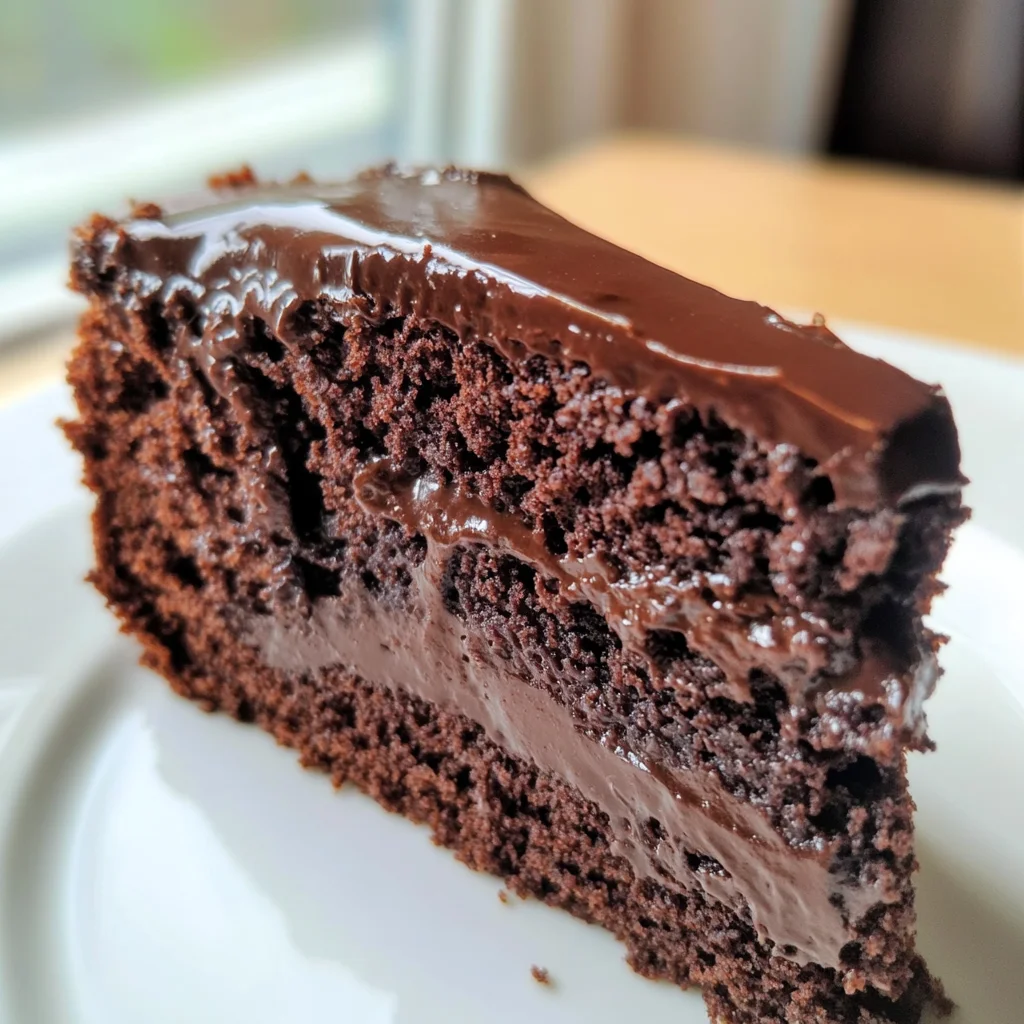
- Step 6: Prepare the glaze: While the cake is cooling, we take care of the glaze – the icing on the cake! Chop the dark chocolate couverture finely. Put the cream in a small pot and heat it gently. It should not boil! Take the pot off the heat and add the chopped chocolate. Let it rest for a minute, then stir slowly with a whisk until the chocolate is completely melted and the glaze is nice and smooth and shiny.
- Step 7: Glaze & decorate: Pour the warm glaze over the cooled cake. Start in the middle and let it slowly run to the edge. You can gently spread it with a rubber spatula or knife so that the sides also get a nice chocolate coating. Now comes the fun part: while the glaze is still soft, sprinkle the chocolate sprinkles over it. Let the glaze set completely before cutting and enjoying the cake. This takes a while, but it's worth it!
Notes
Variations & Tips for Extra Enjoyment: You want to give the cake your personal touch? No problem, here are some ideas:
- Other Chocolate: Instead of dark chocolate chips, you can also use milk or even white chocolate in the batter. Or a mix!
- Nut Upgrade: A handful of chopped nuts (walnuts, hazelnuts) in the batter are super tasty and add bite.
- Spicy Kick: A pinch of cinnamon or even a little chili powder (yes, really!) in the batter intensifies the chocolate flavor in an exciting way. Give it a try!
- Coffee Love: Dissolve a teaspoon of instant espresso powder in the warm milk before adding it to the batter. This makes the chocolate flavor even deeper and more complex.
- Fruity Fresh: Add a handful of fresh or frozen berries (e.g., raspberries) or drained cherries to the batter. This goes great with chocolate and makes the cake even moister.
- Ingredient Temperature is King: Very important: butter, eggs, and Schmand/sour cream must be at room temperature! Take them out well in advance. Otherwise, they won't combine properly and the batter can become grainy.
- Don't Overmix! Once flour and milk are in, really only stir until everything is just combined. Too much stirring develops the protein in the flour (gluten), and that unfortunately makes the cake tough.
- Keep the Oven Door Closed: Try not to open the oven door during the first 30 minutes of baking time, otherwise the cake will easily collapse.
- Do the Skewer Test Correctly: Always do it in the center of the cake. The edges are often done faster.
- Patience with Cooling: Let the cake cool completely, truly completely, before pouring the glaze over it. Otherwise, the glaze will melt away or won't become beautifully smooth.
- Preparation Makes it Easy: You can easily bake the cake a day in advance and then glaze it the next day. This takes the stress off if you're expecting guests.